-: Pregnancy Nutrition :-
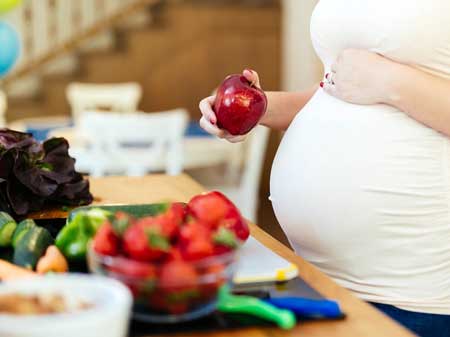
Nutritional Needs During Pregnancy
Your body goes through numerous physical and hormonal changes during pregnancy. The way you nourish your body during this time will affect your health and your baby′s. You must eat a healthful, balanced diet to help ensure you stay healthy throughout your pregnancy. The food you eat is your baby′s main source of nourishment, so it′s critical to consume foods that are rich in nutrients. Proper nutrition can help promote your baby's growth and development.
By following some fairly easy nutrition guidelines, you can be on your way to a healthy pregnancy.
Increased nutrients
Your body has increased nutritional needs during pregnancy. Although the old adage of "eating for two" isn't entirely correct, you do require more micronutrients and macronutrients to support you and your baby.
Micronutrients are dietary components, such as vitamins and minerals, that are only required in small amounts. Macronutrients are nutrients that provide calories, or energy. These include carbohydrates, proteins, and fats.
You need to consume more of each type of nutrient during pregnancy.
| Nutrient | Daily requirements for pregnant women |
|---|---|
| calories | additional 300, in second and third trimesters |
| calcium | 1200 milligrams |
| folate | 600-800 micrograms |
| iron | 27 milligrams |
Most pregnant women can meet these increased nutritional needs by choosing a diet that includes a variety of healthy foods. A simple way to ensure you′re getting all the necessary nutrients is to eat different foods from each of the food groups every day. In fact, all meals should include at least three different food groups.
Each food group has something to offer your body. For example:
- Grains are a good source of energy.
- Fruits and vegetables are packed with antioxidants, fiber, and water-soluble and fat-soluble vitamins.
- Meats, nuts, and legumes provide your body with protein, folate, and iron.
- Dairy products are great source of calcium and vitamin D.
What and how much to eat
Your body can′t function properly if it′s missing the nutrients from any of these food groups. Remember that your goal is to eat a wide variety of foods during pregnancy. Whenever possible, choose natural, low-fat foods over processed junk foods. Chips and soda, for example, contain no nutritional value. You and your baby will benefit more from fresh fruits, vegetables, and lean proteins, such as chicken, fish, beans, or lentils.
This doesn′t necessarily mean that you need to avoid all of your favorite foods during pregnancy. However, you must balance them with nutritious foods so that you don't miss any important vitamins or minerals.
Including the following nutrients in your daily diet will help ensure that you satisfy your body′s nutritional needs during pregnancy.
Protein
Protein is critical for ensuring the proper growth of fetal tissue, including the brain. It also helps with breast and uterine tissue growth during pregnancy. It even plays a role in your increasing blood supply, allowing more blood to be sent to your baby.
You should eat three servings of protein per day. Good sources include:
- lean beef and pork
- beans
- chicken
- salmon
- nuts
- peanut butter
- cottage cheese
Calcium
Calcium helps build your baby′s bones and regulates your body′s use of fluids.
Pregnant women need at least three servings of calcium per day. In pregnant teens, the recommendation is five servings. Good sources of calcium include:
- milk
- yogurt
- cheese
- cabbage
- tofu
- eggs
- pudding
Folate
Folate, also known as folic acid, plays an important part in reducing the risk of neural tube defects. These are major birth defects that affect the baby′s brain and spinal cord, such as spina bifida and anencephaly.
When you′re pregnant, you need 600 to 800 micrograms of folate. You can get folate from these foods:
- liver
- nuts
- dried beans and lentils
- eggs
- dried beans and lentils
- nuts and peanut butter
- dark green leafy vegetables
Iron
Iron works with sodium, potassium, and water to increase blood flow. This helps ensure that enough oxygen is supplied to both you and your baby.
You should be getting 27 milligrams of iron per day. Good sources of this nutrient include:
- dark green, leafy vegetables
- citrus fruits
- enriched breads or cereals
- lean beef and poultry
- enriched breads or cereals
- eggs
- dried fruits
Other considerations
Aside from eating well, it′s important to drink at least eight glasses of water each day and to take prenatal vitamins. It′s difficult to obtain sufficient amounts of certain nutrients, including folate and iron, from food alone. Make sure to speak with your doctor about which prenatal vitamins you should take to ensure that you and your baby stay healthy.
Cravings and food aversions
During pregnancy, many women experience aversions to particular foods, meaning the never want to eat them. They may also have cravings for at least one type of food. It′s unclear why women develop food cravings or aversions during pregnancy. However, researchers believe hormones play a role.
Common cravings during pregnancy include:
- chocolate
- spicy foods
- fruits
- comfort foods, such as mashed potatoes and pizza
It′s fine to give in to these cravings sometimes, especially if you crave foods that are a part of a healthy diet. However, you should try to limit your intake of junk food and processed foods.
Food aversions may only be problematic if they involve foods that are important for the baby′s growth and development. Talk to your doctor if you have adverse reactions to foods you should be eating during pregnancy. Your doctor can suggest other foods or supplements to compensate for the lack of certain nutrients in your diet.